Why Person Centred Care Is Essential in Dementia Support
Caring for someone living with dementia is about far more than managing symptoms or meeting physical needs. Dementia affects every individual differently, shaping how they experience the world, communicate and connect with others. For this reason, effective dementia care must be personal, flexible and rooted in understanding the individual as a whole person.
Dementia support should be guided by a strong person-centred approach. This philosophy ensures that care is shaped around each resident’s identity, preferences and lived experiences, helping them feel valued, understood every day.
What Is Person-Centred Care?
To understand why this approach is so important, it helps to first explore what is person centred care. At its heart, person-centred care means seeing the individual before the condition. Rather than focusing solely on dementia itself, care is designed around the person’s history, personality, abilities and wishes.
In practice, person centred care involves listening, adapting and responding to each individual’s needs in a way that preserves dignity and promotes wellbeing. It recognises that even as dementia progresses, people continue to have preferences, emotions and a deep need for connection and respect.
Why Is Person-Centred Care Important in Dementia Care?
Families often ask why person centred care is important, particularly when supporting someone with dementia. The answer lies in how dementia affects cognition, memory and communication. As these abilities change, individuals may struggle to express their needs or make sense of their surroundings.
A person-centred approach helps reduce confusion, anxiety and distress by creating an environment that feels familiar and supportive. When care is delivered in a way that reflects a person’s routines and preferences, residents are more likely to feel calm, secure and engaged.
This approach also supports emotional wellbeing. Feeling recognised and respected helps maintain a sense of identity, which is especially important as dementia can gradually affect a person’s sense of self.
The Principles of Person-Centred Care
The principles of person centred care form the foundation of high-quality dementia support. These principles include respect for individuality, dignity, choice and independence, alongside a commitment to compassionate relationships and meaningful engagement.
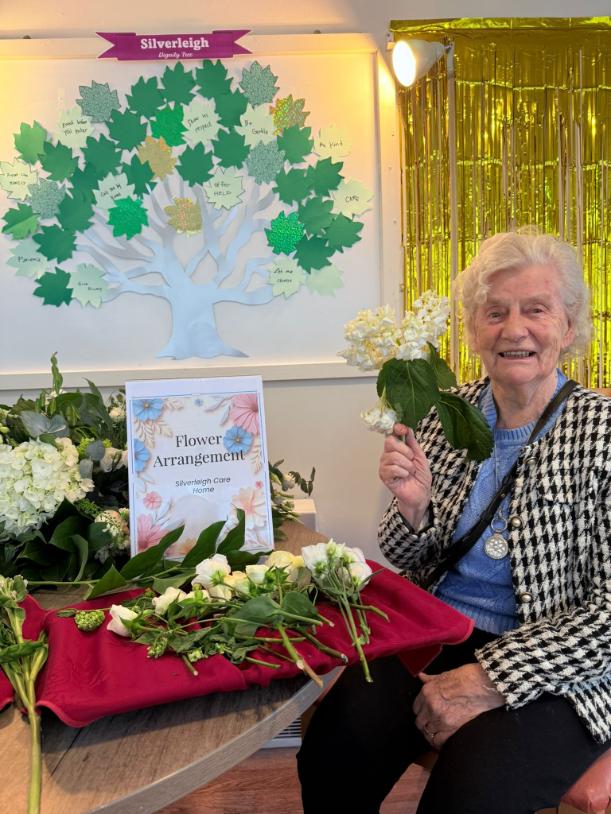
At Silverleigh, care teams take time to learn about each resident’s life story, including their career, family, interests and routines. This knowledge helps care staff provide support that feels personal rather than clinical, ensuring residents are treated as individuals, not tasks to be completed.
Flexibility is also key in person-centred care. Care is never one-size-fits-all and is continually reviewed to reflect changing needs, abilities and preferences.
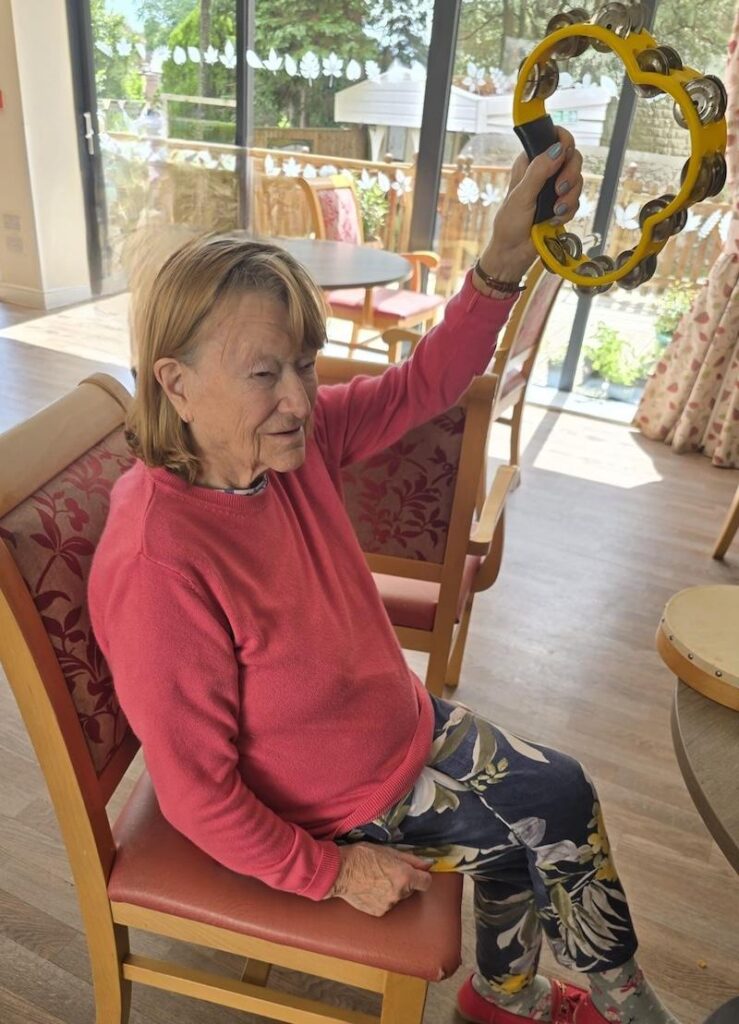
How Care Homes Support People Living With Dementia Day to Day
Day-to-day care for dementia requires patience, consistency and understanding. In a care home setting, this means creating a structured yet flexible routine that provides reassurance while allowing for personal choice.
At Silverleigh, daily life is designed to feel calm and predictable. Familiar routines help residents feel grounded, while gentle encouragement supports independence wherever possible. Our team assist with personal care, mobility, meal time and medication in a way that respects dignity and promotes comfort.
Communication plays a central role in daily dementia support. Care staff are trained to use clear, compassionate language and to recognise non-verbal cues. This helps residents feel understood, even when verbal communication becomes more challenging.
Supporting Independence Through a Person-Centred Approach
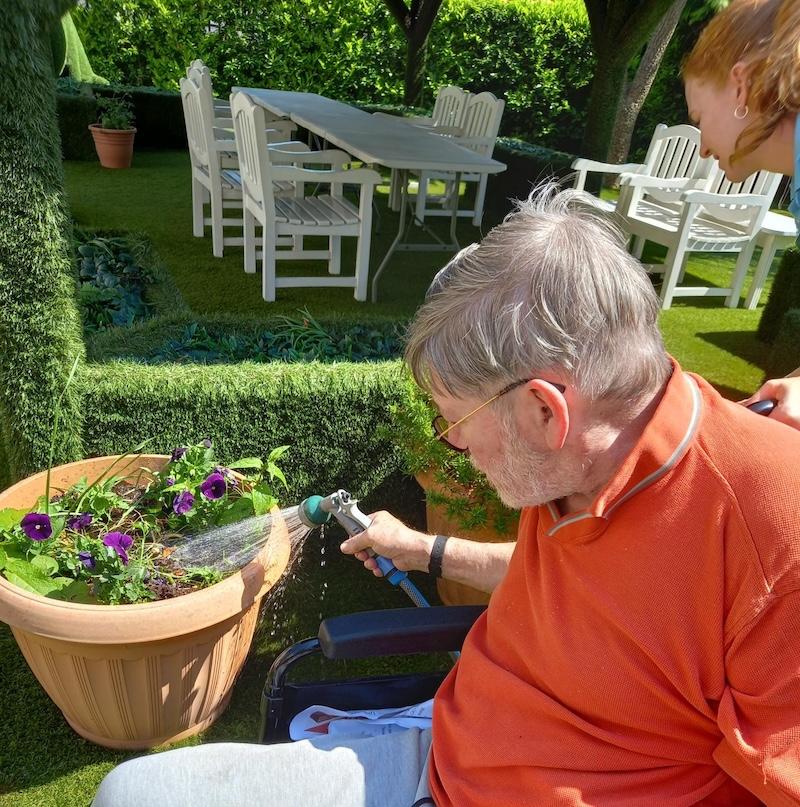
Maintaining independence is a key goal of person-centred dementia care. While dementia may limit certain abilities, many individuals can continue to participate in daily activities with the right support.
A person-centred approach focuses on what a person can do, rather than what they cannot. This may involve offering gentle guidance instead of taking over tasks, allowing residents to remain involved in their own care and daily routines.
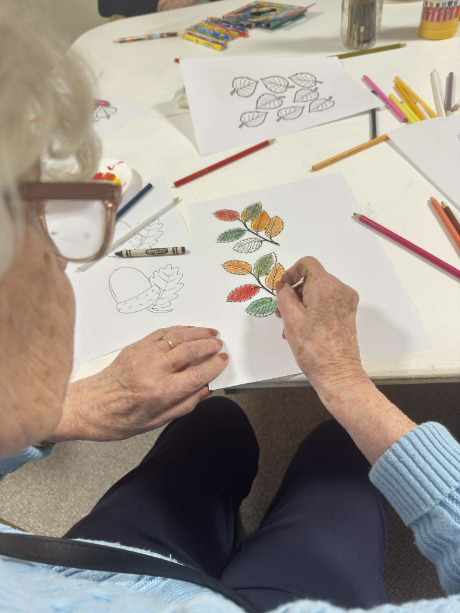
Small choices, such as what to wear or when to take part in activities, can have a significant impact on confidence and wellbeing. These moments of autonomy help residents retain a sense of control and self-worth.
Creating a Supportive Environment for Dementia Care
The physical environment plays an important role in supporting people living with dementia. Clear layouts, calm surroundings and familiar spaces help reduce confusion and anxiety.
At Silverleigh, the care home environment is designed to feel welcoming and homely rather than clinical. Thoughtful design, consistent staffing and familiar routines all contribute to a sense of safety and belonging.
A supportive environment also includes emotional reassurance. Our care and support team provide calm guidance, reassurance during moments of distress and a steady presence that helps residents feel secure.

Emotional Wellbeing and Developing Relationships
Dementia care is not only about meeting physical needs. Emotional wellbeing is just as important. People living with dementia may experience frustration, fear or sadness as they navigate changes in memory and understanding.
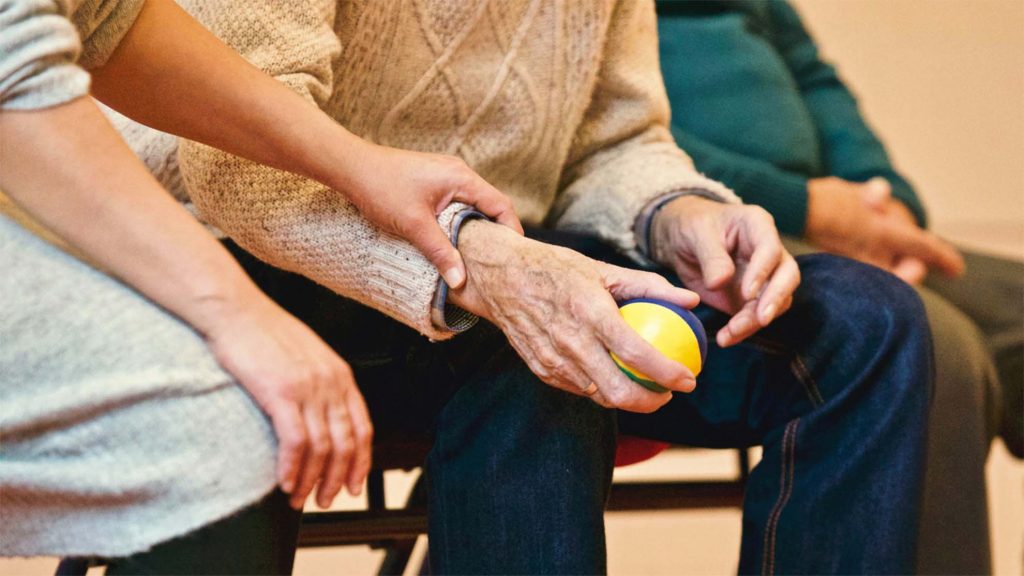
Person-centred care prioritises emotional support by building trusting relationships between residents and staff. Consistent care teams allow staff to recognise changes in mood or behaviour and respond with empathy and understanding.
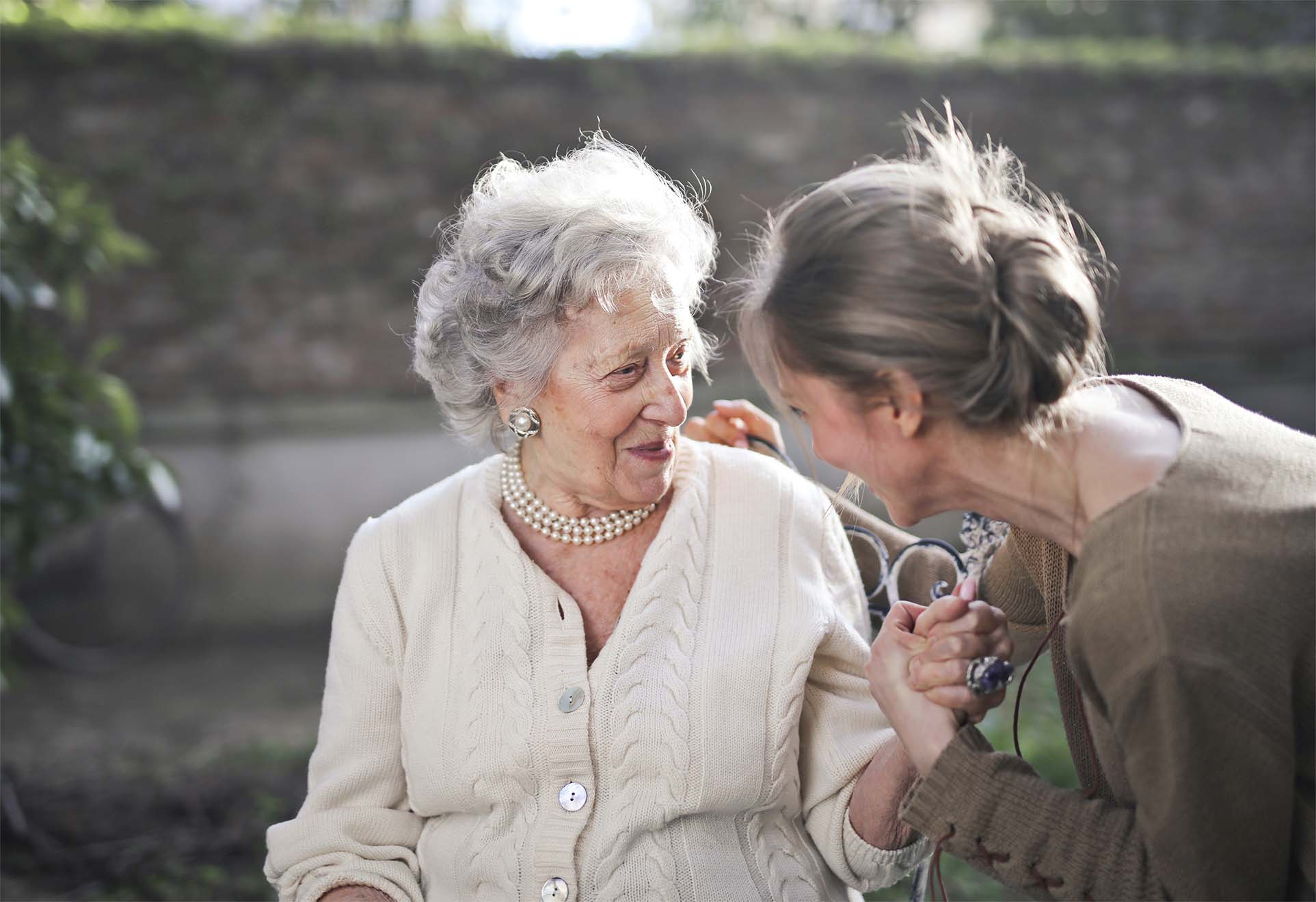
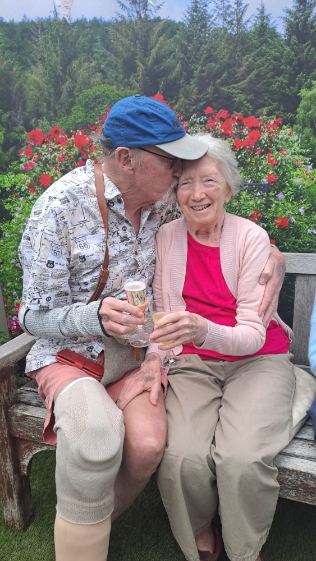
Interactions, whether through conversation, shared activities or quiet companionship, help residents feel connected and valued.
Adapting Care as Dementia Progresses
Dementia is a progressive condition and care needs often evolve over time. A person-centred approach ensures that care evolves alongside the individual.
Regular reviews allow care teams to adapt support as mobility, communication or health needs change. This proactive approach helps maintain comfort and dignity at every stage of dementia.
Families are involved in this process wherever possible, ensuring that care decisions reflect the individual’s values and preferences.
Supporting Families Through Dementia Care
Dementia affects not only the individual but also their loved ones. Families may experience emotional strain, uncertainty and concern as they navigate changing care needs.
At Silverleigh, families are supported through open communication and partnership. Relatives are encouraged to share insights into their loved one’s life and preferences, helping care teams deliver truly personalised support.
This collaborative approach reassures families that their loved one is receiving compassionate, thoughtful care that reflects who they are.
Why Person-Centred Dementia Care Makes a Difference
The benefits of person-centred dementia care are clear. Residents often experience reduced anxiety, improved mood and a greater sense of security. Care becomes more meaningful and effective when it is built on understanding, respect and compassion.
For families, knowing that their loved one is seen as an individual provides reassurance and peace of mind. It ensures that care is not just about managing dementia, but about supporting quality of life.
Dementia Care at Silverleigh in Axminster
At Silverleigh, dementia care is guided by a strong commitment to person-centred care and a deep respect for every resident. By combining skilled support with a compassionate, individualised approach, Silverleigh provides an environment where people living with dementia can feel safe, valued and understood.
Through consistent care, meaningful relationships and a focus on dignity, Silverleigh supports residents and families at every stage of the dementia journey.