
At What Point Should a Person with Dementia Move into a Care Home?

Watching someone you love become less able to manage day to day is one of the hardest experiences a family can face. It's natural to question whether you're doing enough, whether they are still safe at home and whether moving into a care home is the right decision. This guide explains when someone should go into a care home, the signs to look out for and how choosing the right care at the right time can improve your loved one's quality of life while giving your family greater peace of mind.

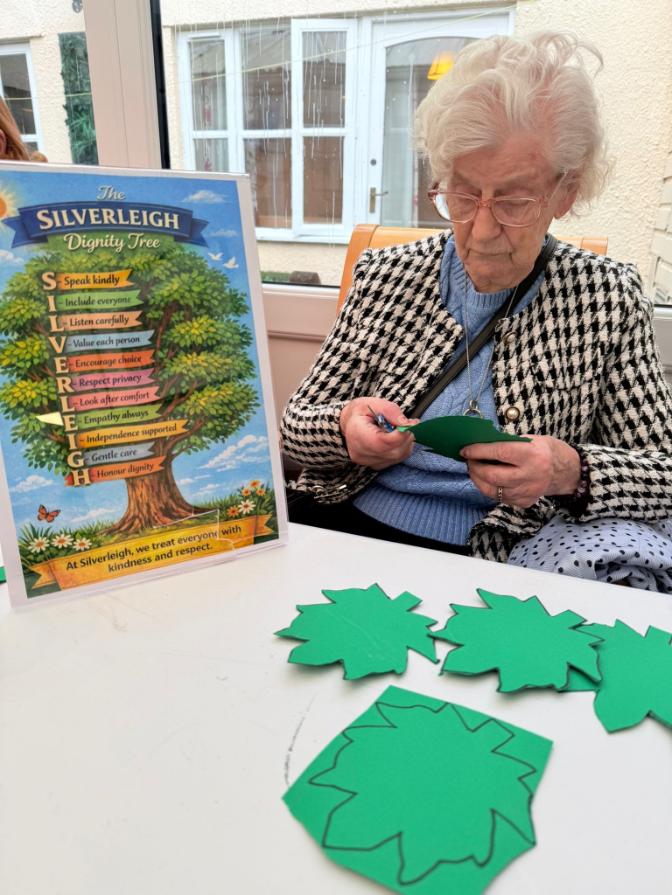

When Should Someone Go into a Care Home?
There is no single moment when a move into residential care becomes the "right" decision. Every person is different, and so is every family's situation. Some people continue living independently for many years with support from relatives or home care services, while others reach a point where their care needs can no longer be managed safely at home.
The question "when should someone go into a care home" is often asked after a gradual change rather than one major event. You may notice that your loved one is becoming more forgetful, struggling with daily routines or becoming increasingly isolated. Sometimes it is the family who notice that they are constantly worrying, checking in several times a day or feeling unable to leave their loved one alone.
Choosing residential care isn't about giving up independence. Instead, it can provide a safe, supportive environment where your loved one receives personalised care while continuing to enjoy daily life, companionship and activities.
What Are the Signs That Someone May Need a Care Home?
Many families wait until a crisis before exploring care options, but recognising the signs early can make the transition much smoother. While everyone's circumstances are different, there are some common indicators that additional support may be needed.
-Daily tasks are becoming difficult.
-Safety is becoming a concern
-Health needs are becoming more complex
-Loneliness and isolation
-Family carers are becoming exhausted
Often, it isn't one of these signs on its own that leads to the decision to move into a care home. Instead, it's a combination of gradual changes that begin to affect someone's safety, wellbeing and overall quality of life. Recognising these changes early gives families the opportunity to explore care options thoughtfully, rather than making decisions during an unexpected crisis such as a fall or hospital admission.

Is It Better to Move into a Care Home Before There's a Crisis?
Many families begin looking at care homes after a fall, a hospital admission or another unexpected event. However, planning ahead can make the experience much less stressful for everyone involved.
Moving into a care home before a crisis means your loved one has more time to settle into new surroundings, build relationships with the care team and become familiar with daily routines. It also allows them to be involved in the decision making process, which can help them feel more comfortable and in control. Families often tell us they wish they had started looking sooner. Having time to visit different homes, ask questions and understand the options available usually leads to greater confidence in the final decision.
For those living with dementia, making the move earlier can also help reduce anxiety, as adjusting to a new environment may become more difficult as the condition progresses.
How Can the Right Care Home Improve Quality of Life?
It's understandable to worry that moving into a care home means losing independence. In reality, many residents find that they regain confidence because they no longer have to struggle with everyday tasks on their own.
Professional care means your loved one can enjoy nutritious meals, meaningful activities and companionship while they become part of a welcoming community where every day offers opportunities to socialise and stay active.
Families often benefit too. Instead of feeling responsible for every aspect of care, visits can become quality time spent together without the pressures of caregiving. The best care homes also take a person centred approach, getting to know each resident as an individual. Understanding their hobbies, routines and life experiences helps create personalised care that supports both wellbeing and independence.

How Silverleigh Care Home Supports Families
For families considering a care home in Axminster, Silverleigh Care Home provides personalised support in a warm and welcoming environment where residents are encouraged to live life as fully as possible. Silverleigh offers Residential Care, Dementia Care, Nursing Care and Respite Care, as every resident's needs are different.
Before moving in, the team takes time to get to know each individual, creating a personalised care plan that reflects their preferences, routines and level of support required. These plans are reviewed regularly so that care continues to evolve alongside changing needs.
Life at Silverleigh is about much more than receiving care. Residents are encouraged to take part in a varied programme of activities, enjoy freshly prepared meals, relax in comfortable communal spaces and spend time in the beautifully maintained gardens. Whether someone enjoys social activities, quiet hobbies or simply spending time with others, the team works to create opportunities that bring purpose and enjoyment to everyday life. Silverleigh's experienced team is committed to providing care that respects each person's dignity, independence and individuality.
Frequently Asked Questions
How do you know when it's time for someone to go into a care home?
There is rarely one defining moment. Families often notice increasing difficulties with daily tasks, safety concerns, loneliness or changing health needs that make living at home more challenging. When these begin affecting quality of life, it may be time to explore residential care.
Is moving into a care home the right decision for someone with dementia?
For many people, specialist dementia care provides the structure, routine and professional support that becomes increasingly important as the condition progresses. Making the move before a crisis can often help someone settle more comfortably.
Can someone still be independent in a care home?
Yes. Good care homes encourage residents to remain as independent as possible while providing support where needed. Care is personalised so that individuals continue making choices about their daily lives.
Should I wait until after a hospital stay to look at care homes?
Not necessarily. Exploring care options before an emergency gives you more time to compare homes, ask questions and involve your loved one in the decision if appropriate.
What types of care does Silverleigh Care Home provide?
Silverleigh Care Home provides Residential Care, Dementia Care, Nursing Care and Respite Care, with personalised care plans designed around each resident's individual needs.
Can I visit Silverleigh Care Home before making a decision?
Absolutely. Visiting the home allows you to meet the team, explore the facilities and gain a better understanding of daily life before deciding whether it is the right choice for your loved one.
Considering Silverleigh Care Home for Your Loved One
Deciding that it may be time for a care home is never an easy conversation. It often comes with mixed emotions, uncertainty and a desire to make the very best decision for someone you love.
If you've been asking yourself when should someone go into a care home, speaking to an experienced care team can help you understand the options available without any pressure. Visiting a home in person also allows you to experience the atmosphere, meet the team and see daily life for yourself.
At Silverleigh Care Home in Axminster, families are always welcome to arrange a visit, ask questions and explore how personalised care supports their loved one both now and in the future.